Meteorite Metal
Meteorite Metals LLC
We supply manufacturers, jewelers, brands, bladesmiths, and gunsmiths with custom-cut iron meteorite bullion, ready to be transformed into extraordinary creations.
Iron Meteorites
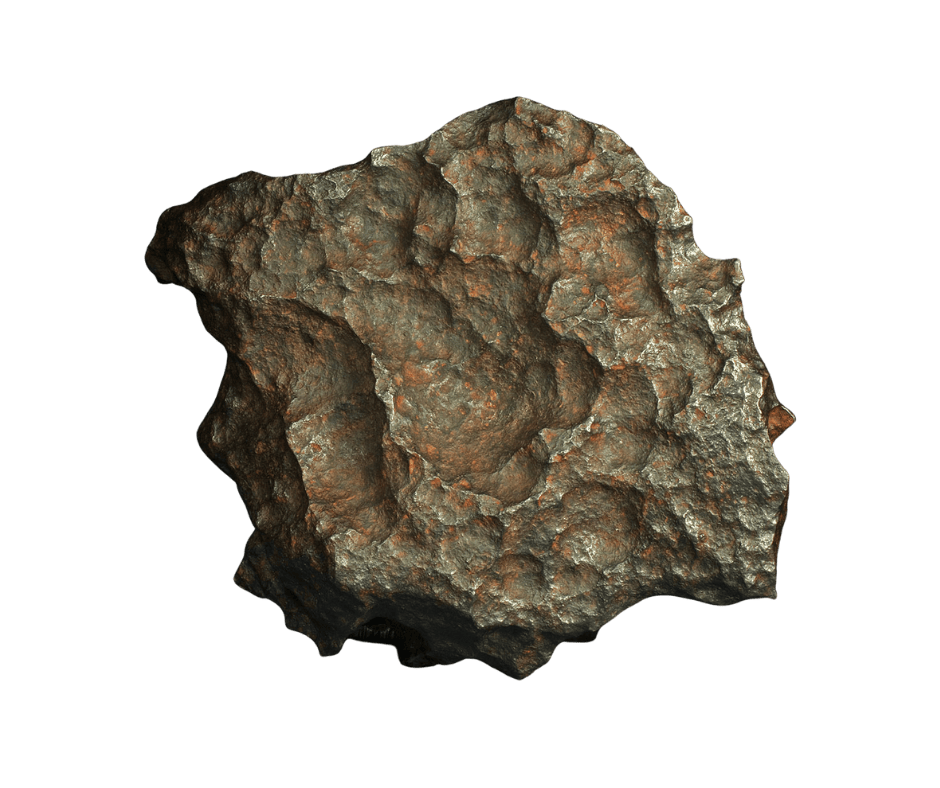
Iron meteorites are dense, metallic space debris composed primarily of iron and nickel, originating from the cores of ancient, shattered planetary bodies. Most irons meteorites are classified as octahedrites.
When cut, polished, and etched, octahedrite meteorites reveal a distinctive crystalline structure called the Widmanstätten pattern, formed by millions of years of slow cooling in space.
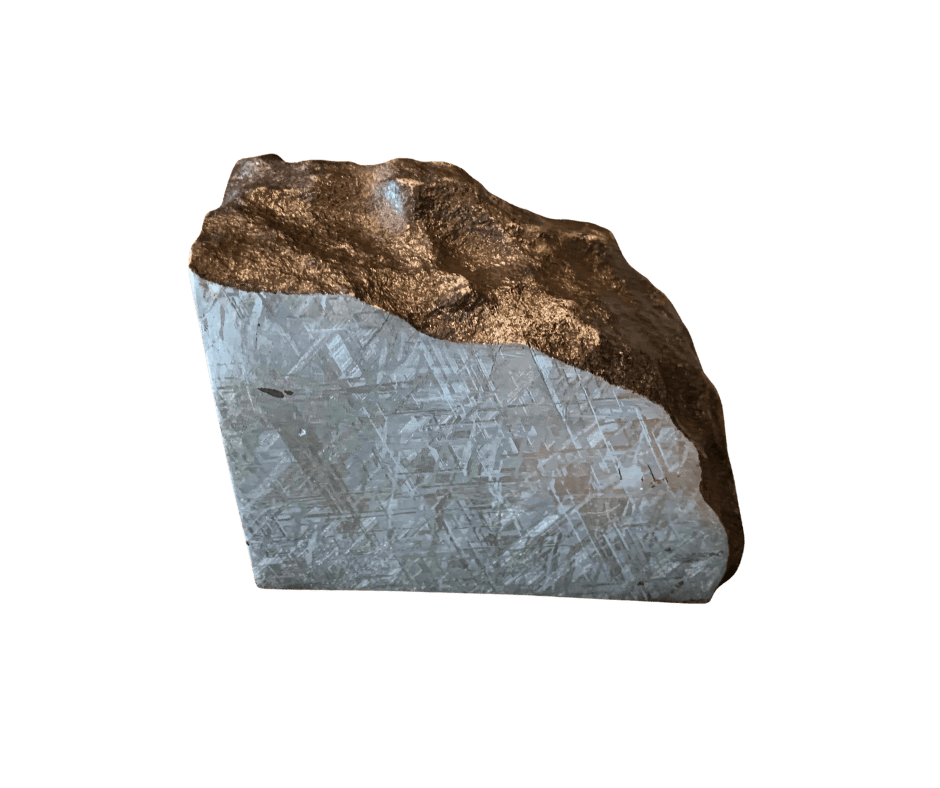
Iron meteorites are classified as follows:• Type: Iron meteorite
• Structural class: Octahedrite
• Sub-classification: Fine, medium, coarse, or very coarseThe difference between these sub-classes lies in the width of their Widmanstätten patterns, which reflect how slowly the meteorite cooled in space.
Our Meteorites
We provide Fine and Coarse octahedrite meteorite:Fine octahedrite has narrow bands.
Coarse octahedrite has wide ones.Finer structures form from faster cooling while coarser ones from slower cooling; both over millions of years.
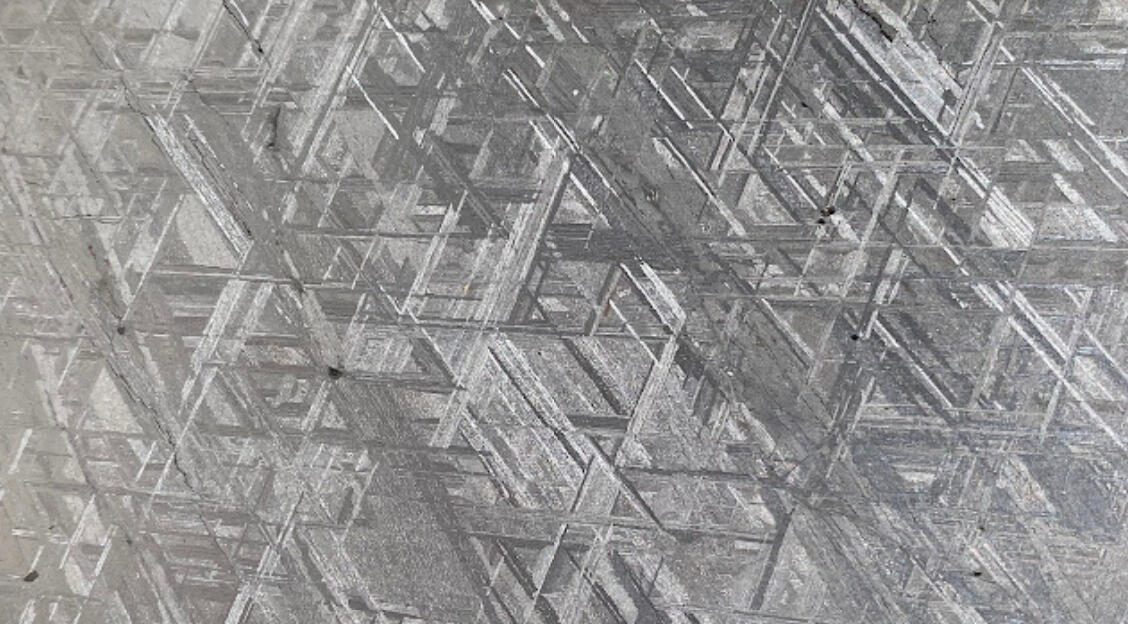
Fine Octahedrite
Finer Widmanstätten pattern.Can be cut thin and rolled for ring making, and laser cut for detailed designs and lettering.
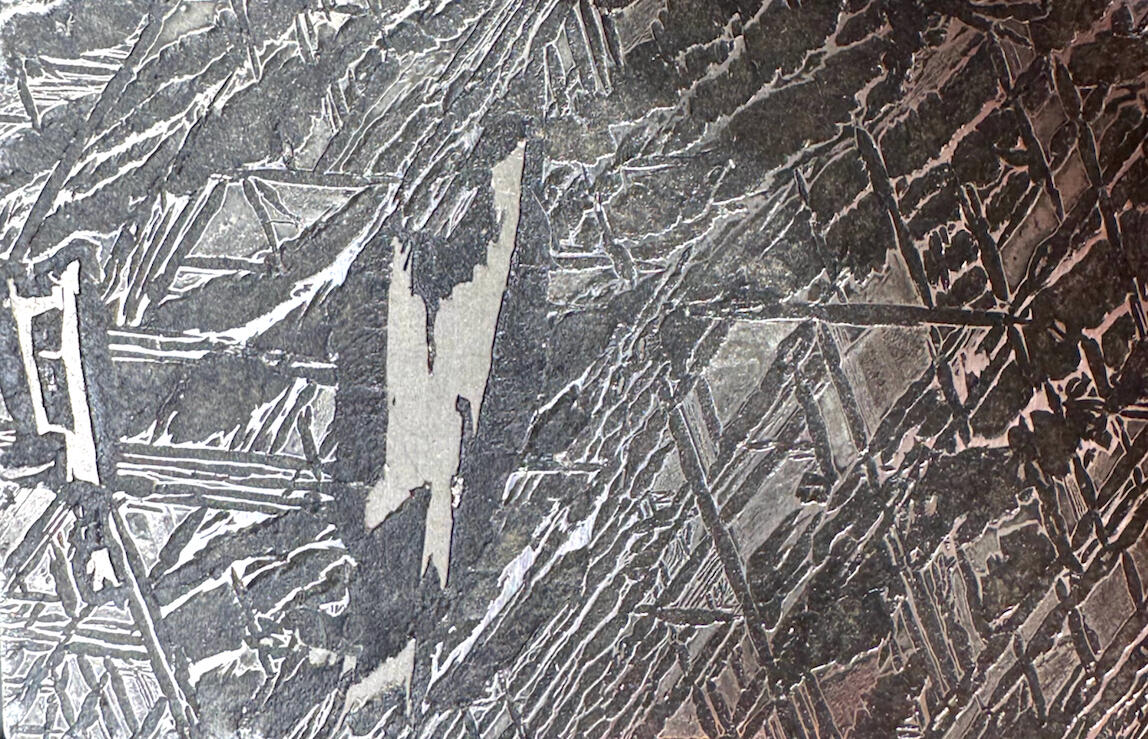
Coarse Octahedrite
Larger Widmanstätten pattern.Better for large shapes, simple jewelry, and solid core rings.
Bullion Grades
We offer two grades of meteorite bullion, available in either Fine or Coarse octahedrite.
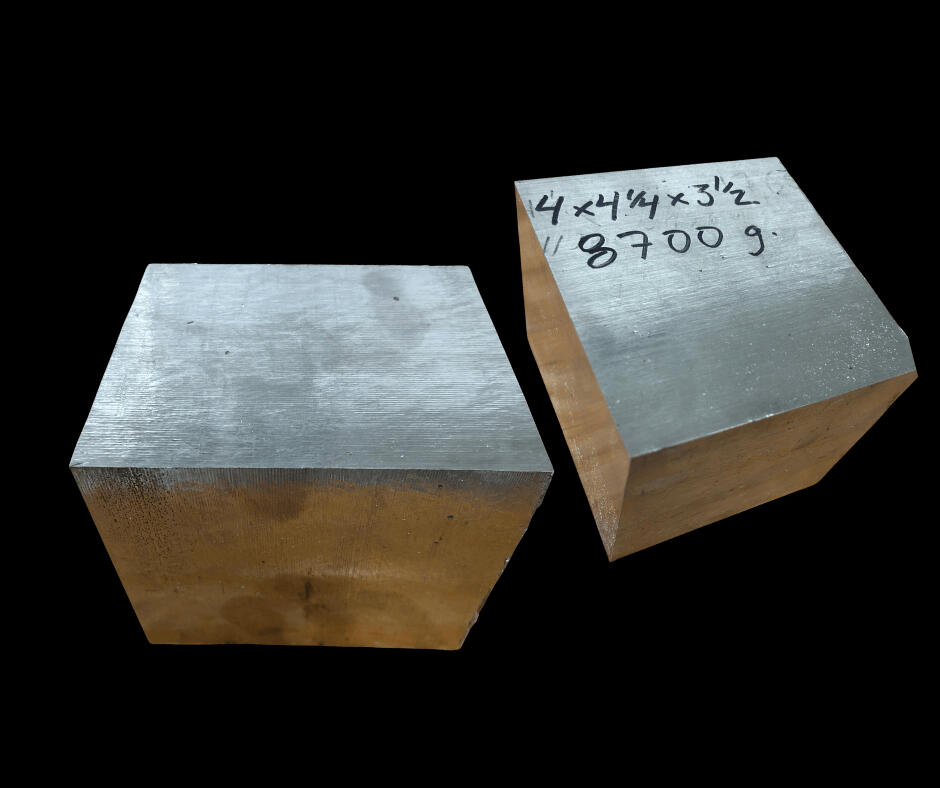
A Grade
Clean blocks, free of cracks and visible inclusions.Uses:High end jewelry, watch dials and cases, knife billets, EDM cutting, etc.
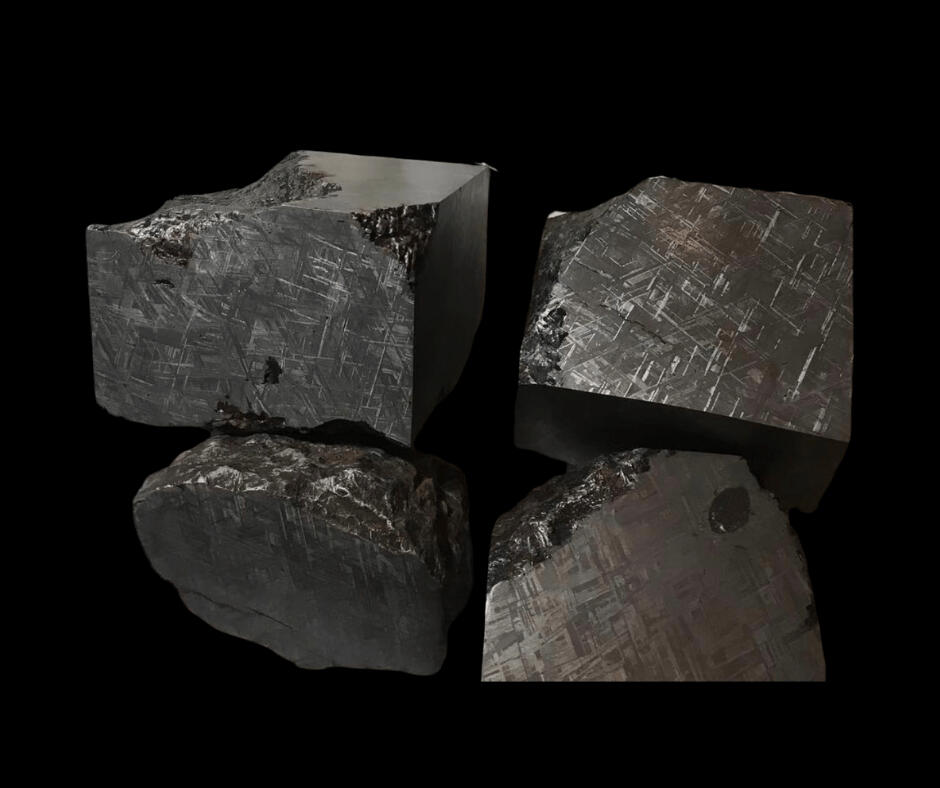
B Grade
Mostly complete blocks, may have some natural edges, minor cracks and visible inclusions.Uses:Jewelry, carving, cabochons, beads, etc.
Pricing
Prices vary by meteorite type and bullion grade, and are available upon request.
Our Inventory
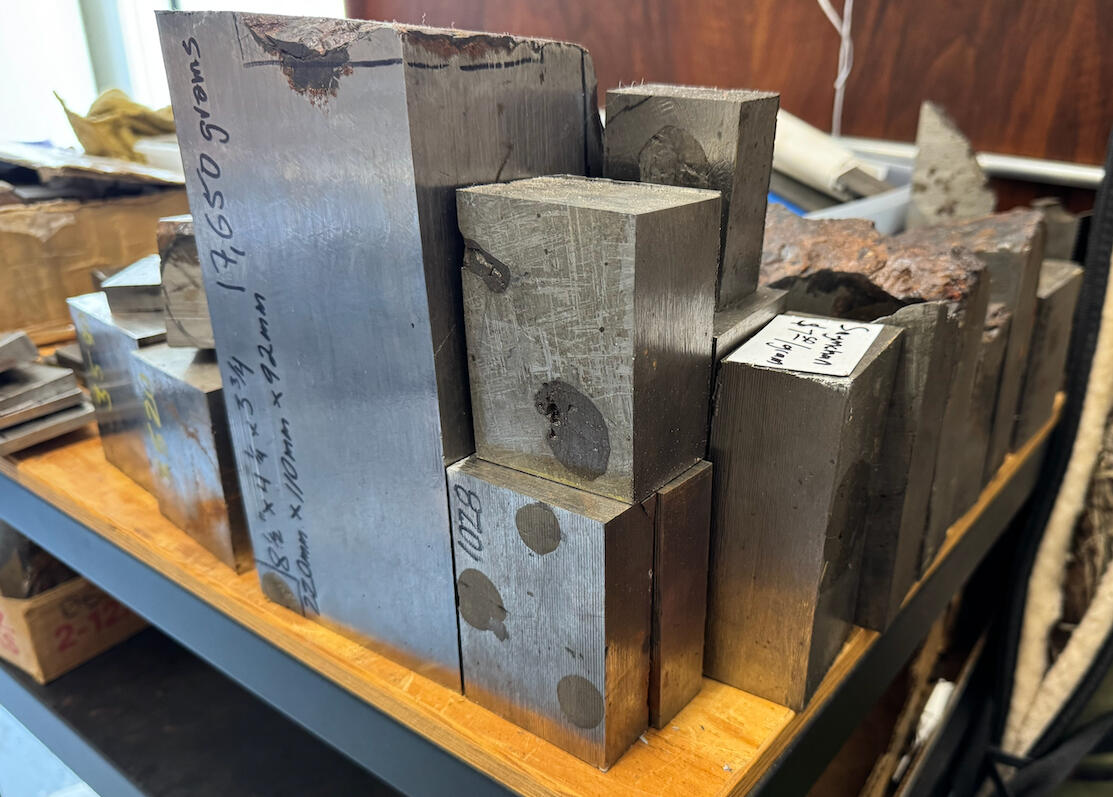
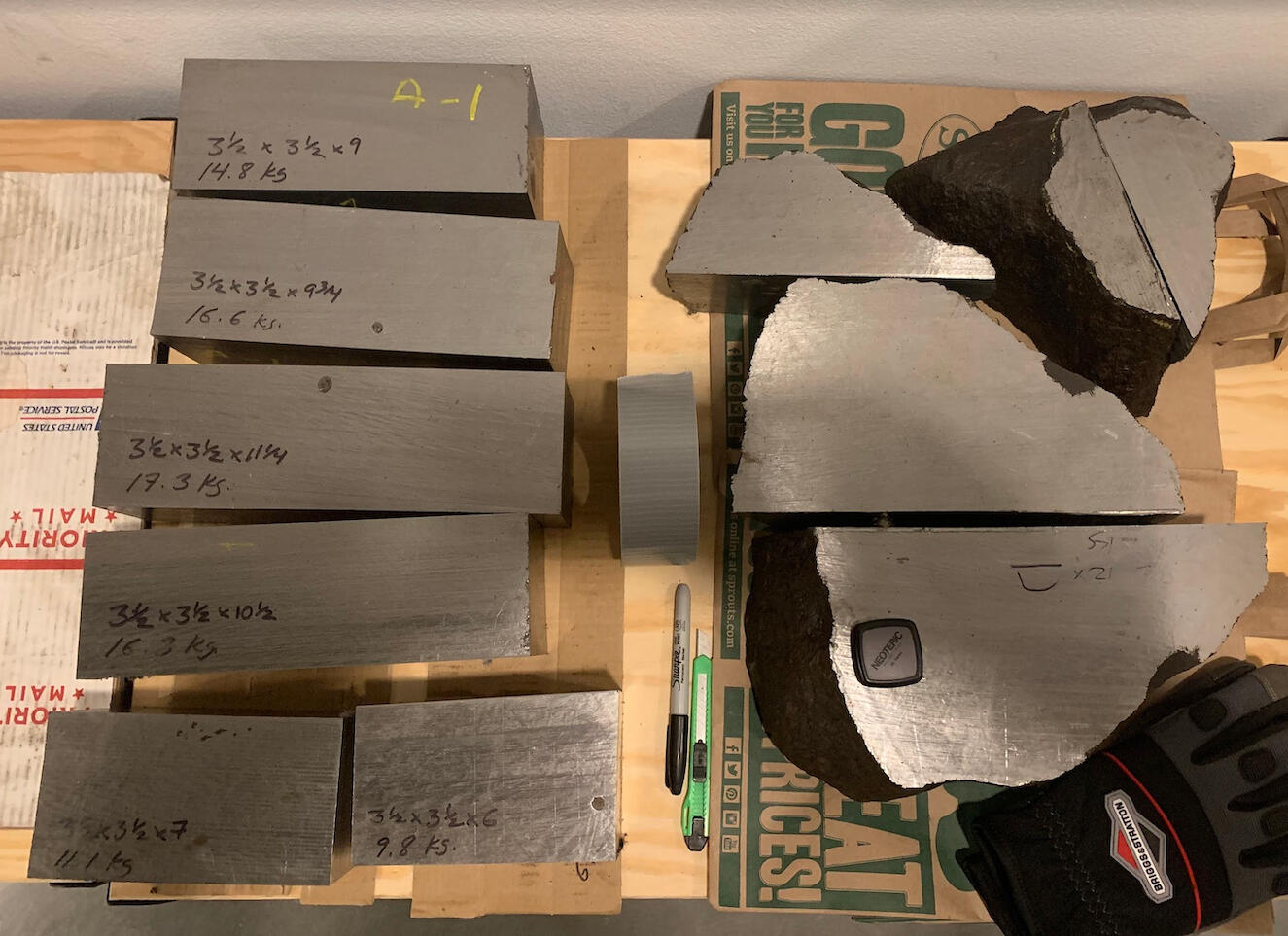
We maintain a robust inventory to meet orders of any size, from individual pieces to volume needs.
Product Showcase
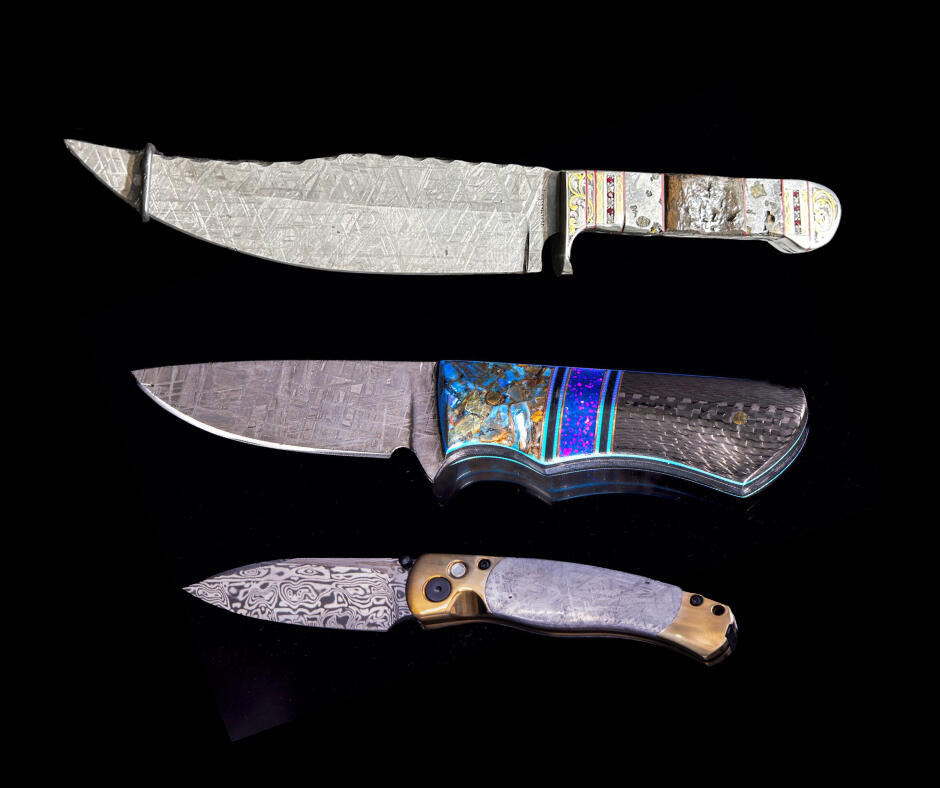
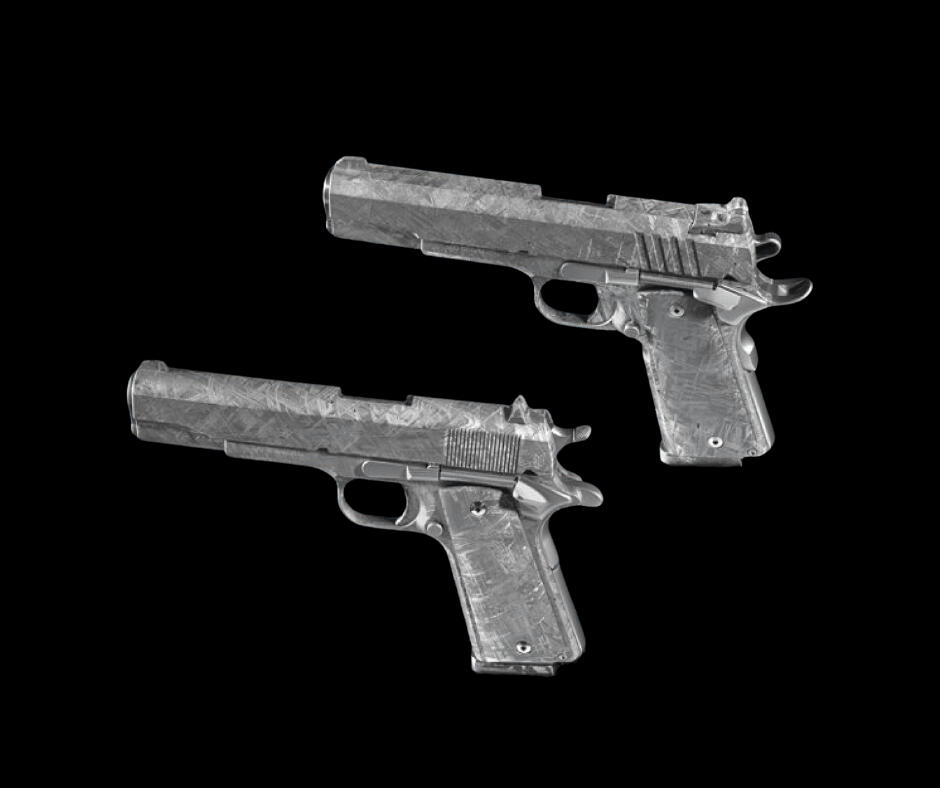
See how our clients and partners have brought their ideas to life.
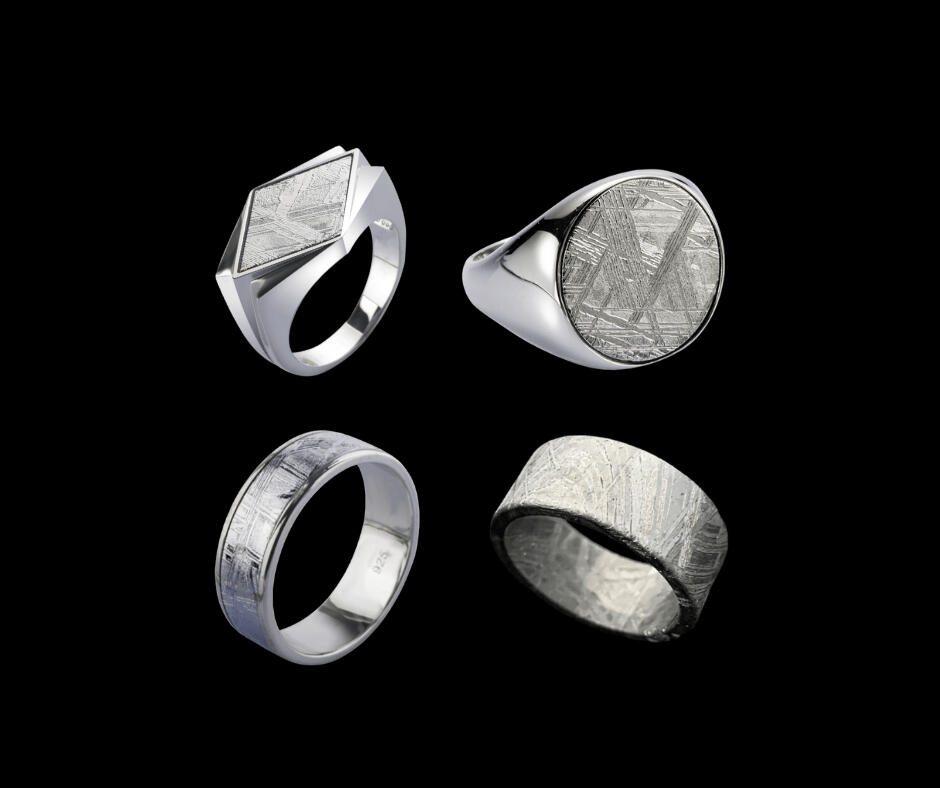
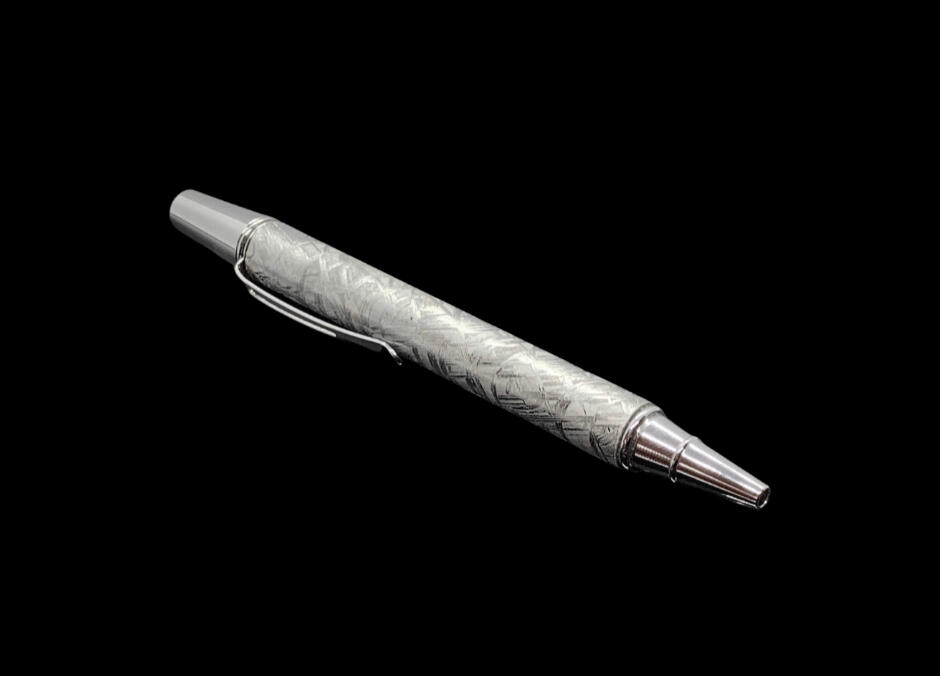
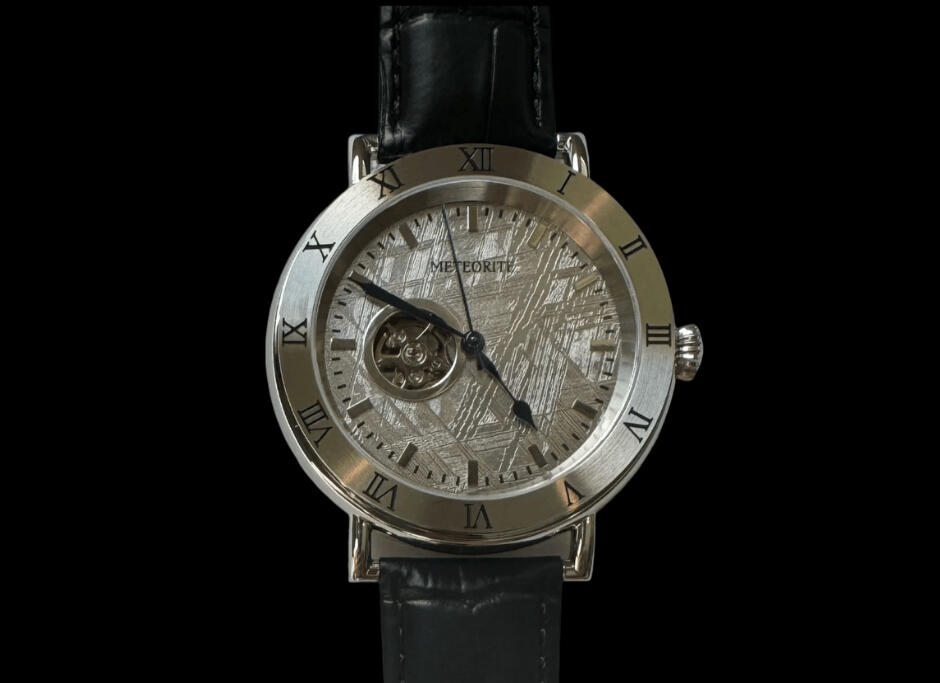
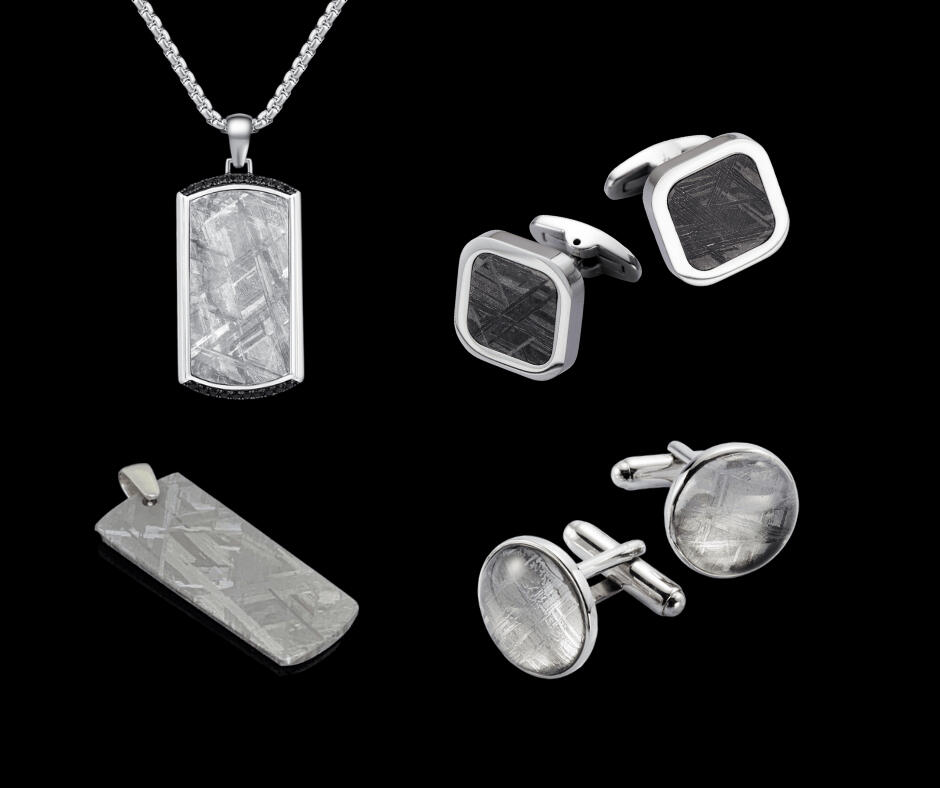
About Us
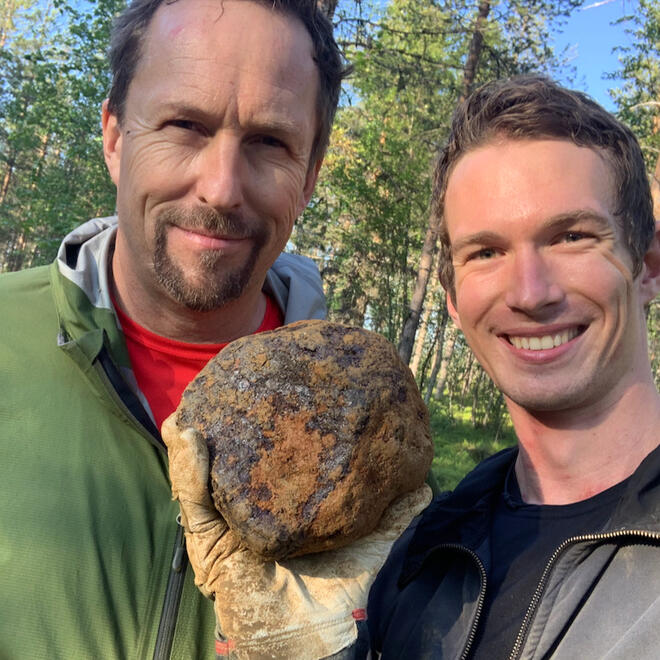
We’ve been in the meteorite business since 2012, proudly supplying clients across all seven continents with rare and remarkable space metals.
Contact Us
Don't be shy! Reach out if you are interested in using meteorite for your manufacturing needs.
© 2026 Meteorite Metals LLC. All rights reserved.